Expert perspectives on AI, automation, and industry-specific solutions.
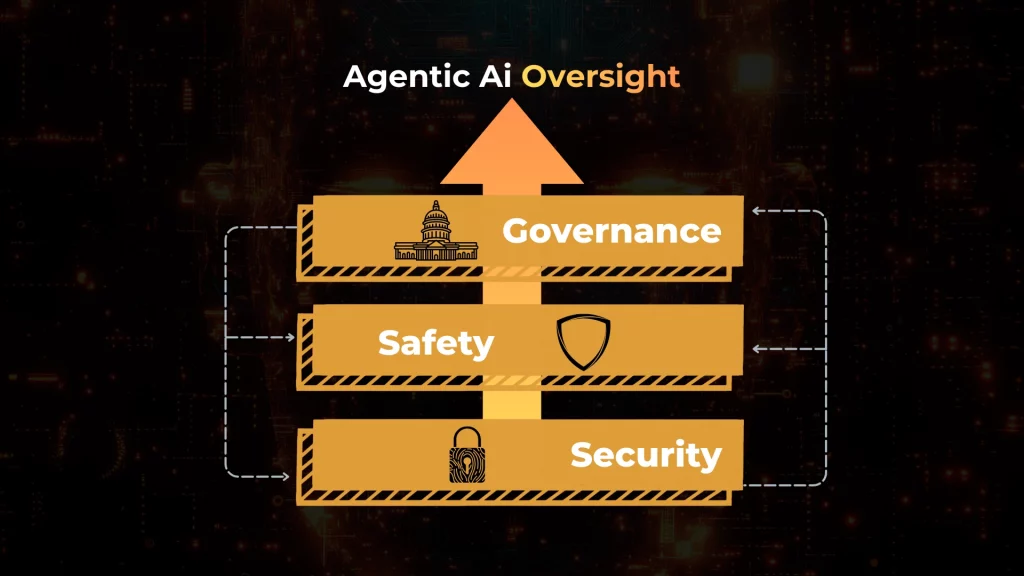
Understand agentic AI safety, security, and governance. Learn how risks arise from autonomy, tools, and memory, and how oversight and controls reduce harm.
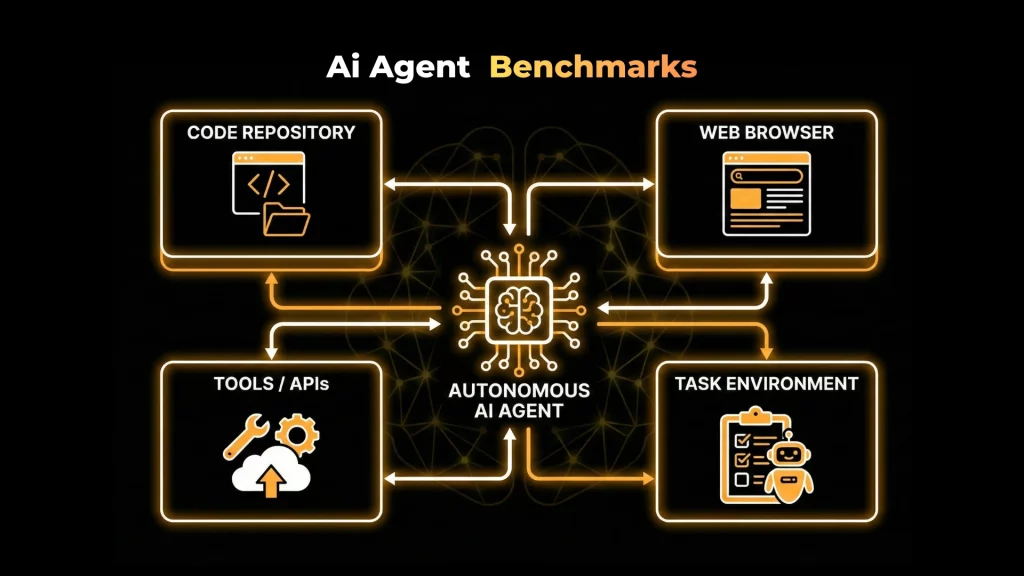
AI Agent Benchmarks: How Autonomous Agents Are Evaluated in Real Systems Modern AI systems are no longer evaluated solely on language quality or model accuracy....
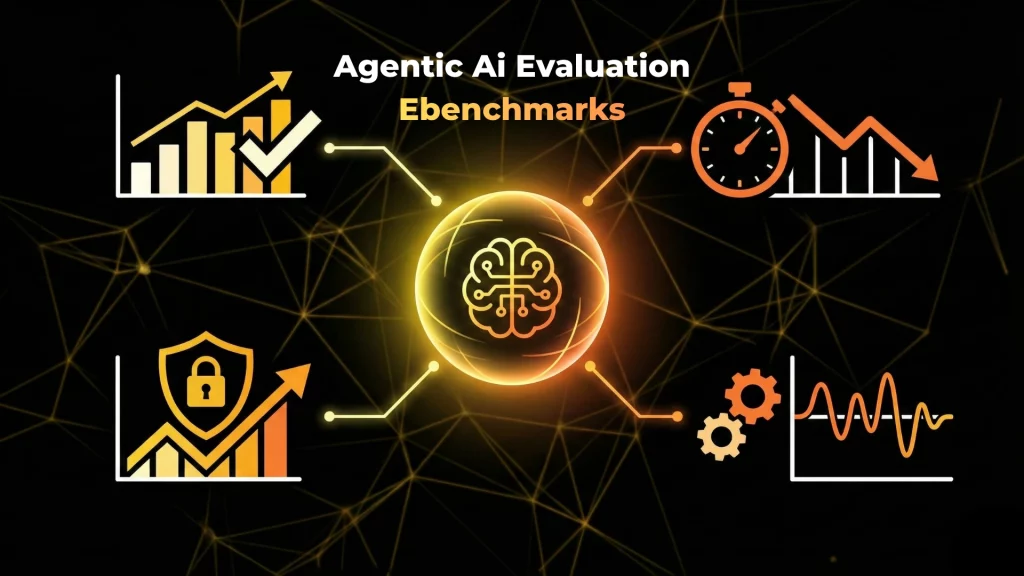
Evaluation & Benchmarks for Agentic AI Systems As AI systems evolve from single-prompt models into autonomous, multi-step agents, the question is no longer how smart...
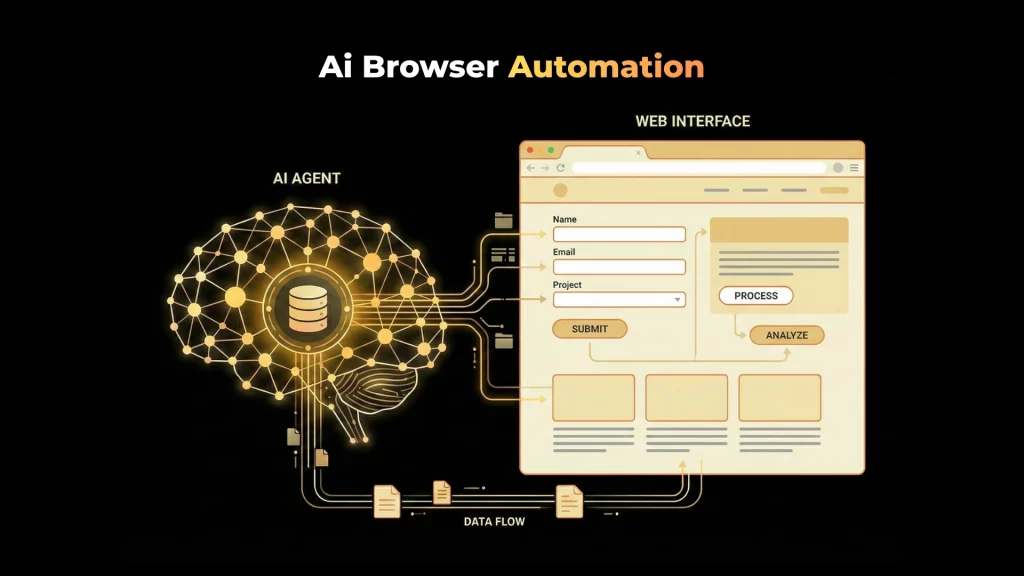
Learn how AI browser automation enables autonomous agents to navigate websites, complete tasks, and interact with web apps.
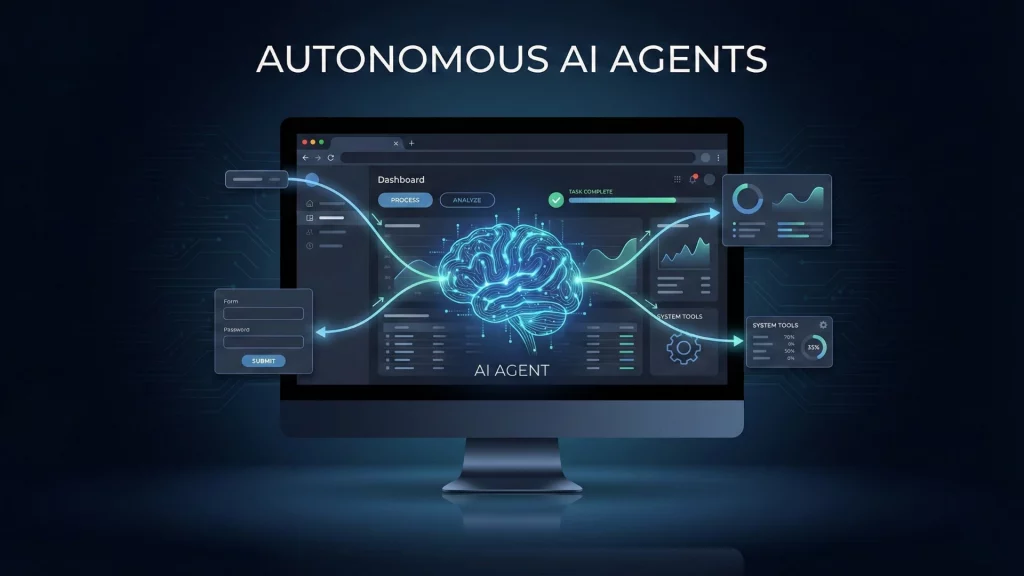
Learn how autonomous AI agents use reasoning, tools, memory, computers, and browsers to complete real-world tasks with minimal human input.
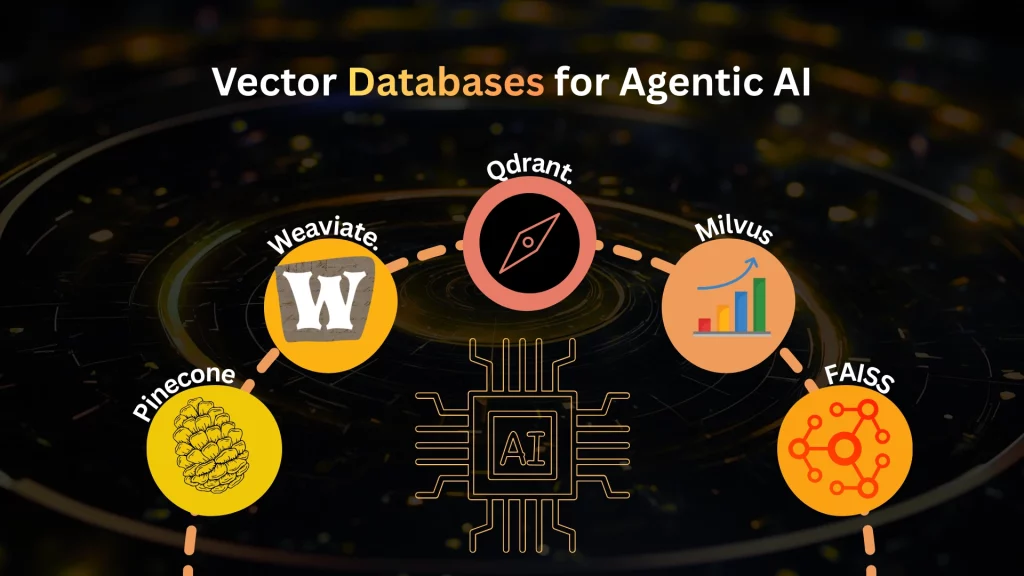
Explore how vector databases like Pinecone, Weaviate, Qdrant, FAISS, and Milvus support Retrieval-Augmented Generation (RAG) and agentic AI. Learn about indexing strategies, similarity metrics, real-time...
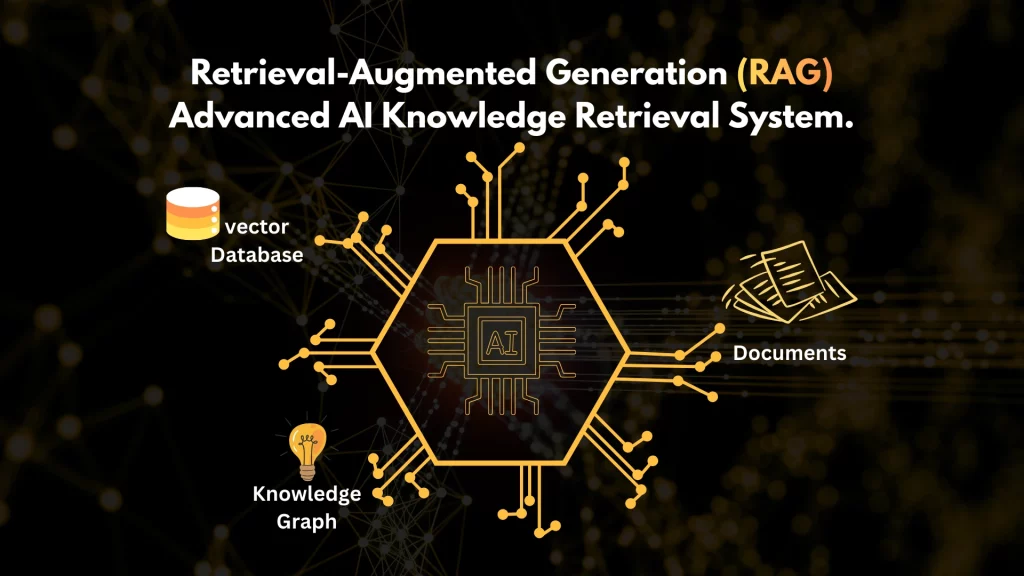
Modern AI systems are impressive reasoners — but without reliable access to external knowledge, they hallucinate, forget, or generate outdated information. Retrieval-Augmented Generation (RAG) solves...
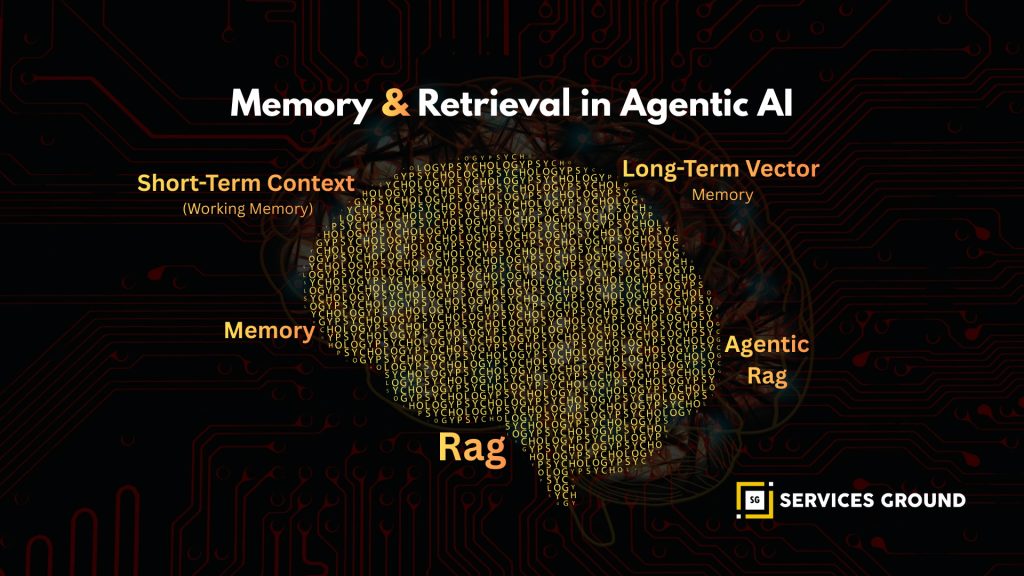
Learn how RAG, memory layers, vector search, and Agentic RAG power autonomous AI systems. Explore retrieval pipelines, architectures, tools, and best practices.
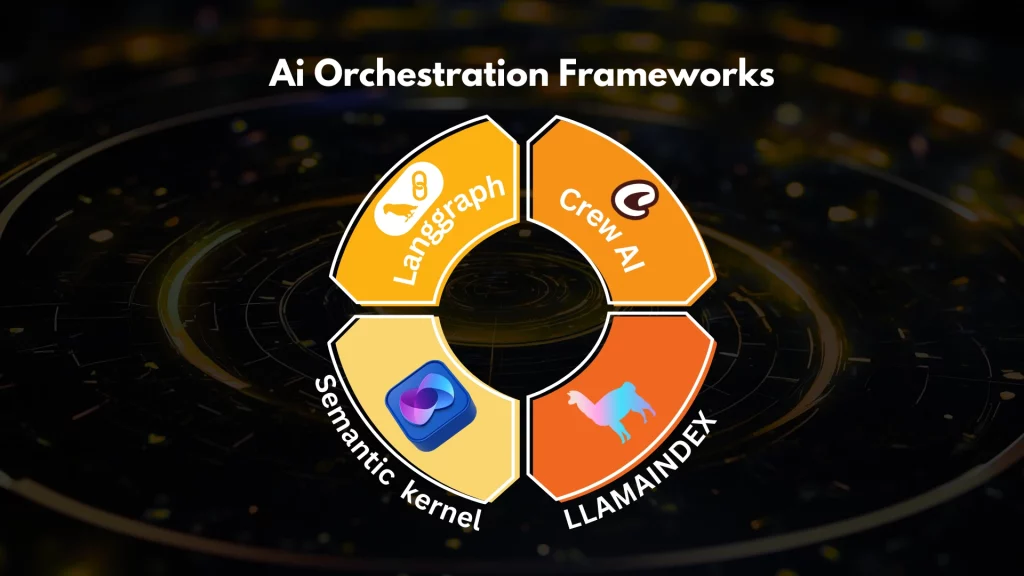
Compare the best AI orchestration frameworks in 2025 — LangGraph, Semantic Kernel, CrewAI, and LlamaIndex. See features, use cases, and how to pick the right...
Explore the leading AI orchestration frameworks—LangGraph, CrewAI, Semantic Kernel, and LlamaIndex. Understand how they coordinate agents, tools, memory, and workflows to build reliable, production-ready Agentic...
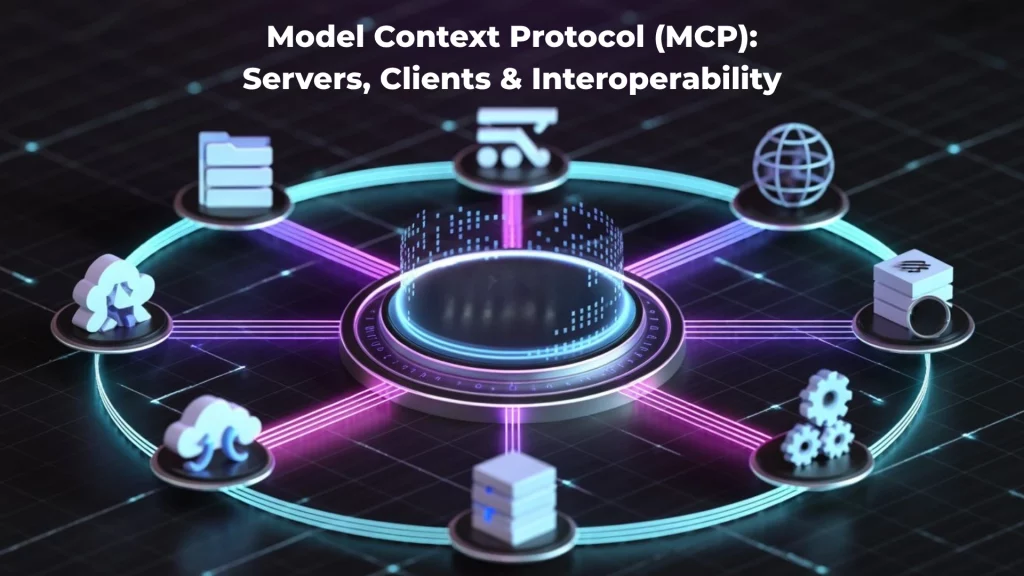
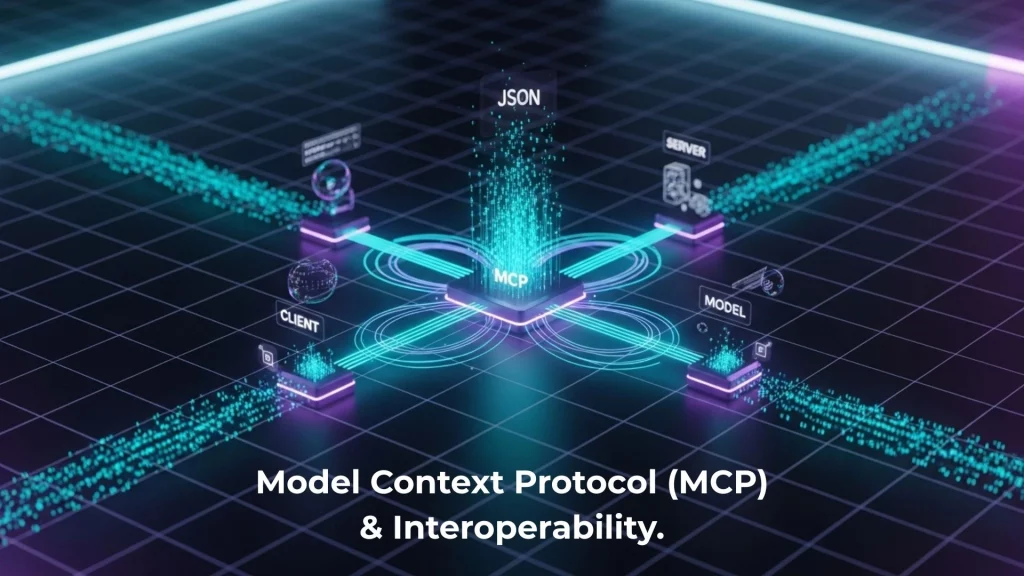
A complete guide to Model Context Protocol (MCP) — how servers, clients, and SDKs connect AI systems. Includes real examples for filesystem, Git, web, and...
The Model Context Protocol (MCP) enables AI models, tools, and clients to share memory and context reliably — creating seamless multi-agent interoperability.
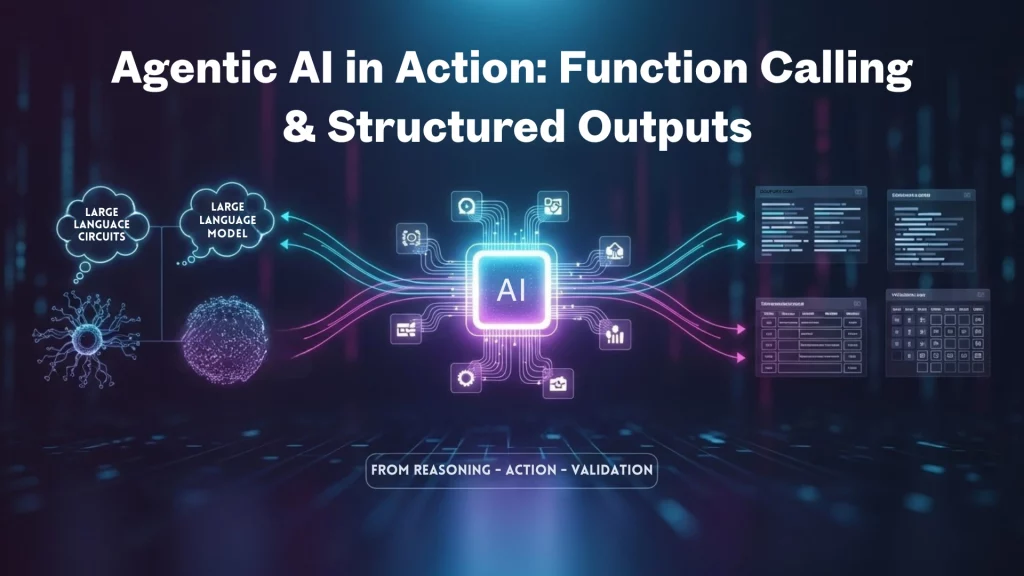
Agentic AI systems don’t just generate text — they act. This guide explores how tool use, function calling, and structured outputs turn reasoning into reliable,...
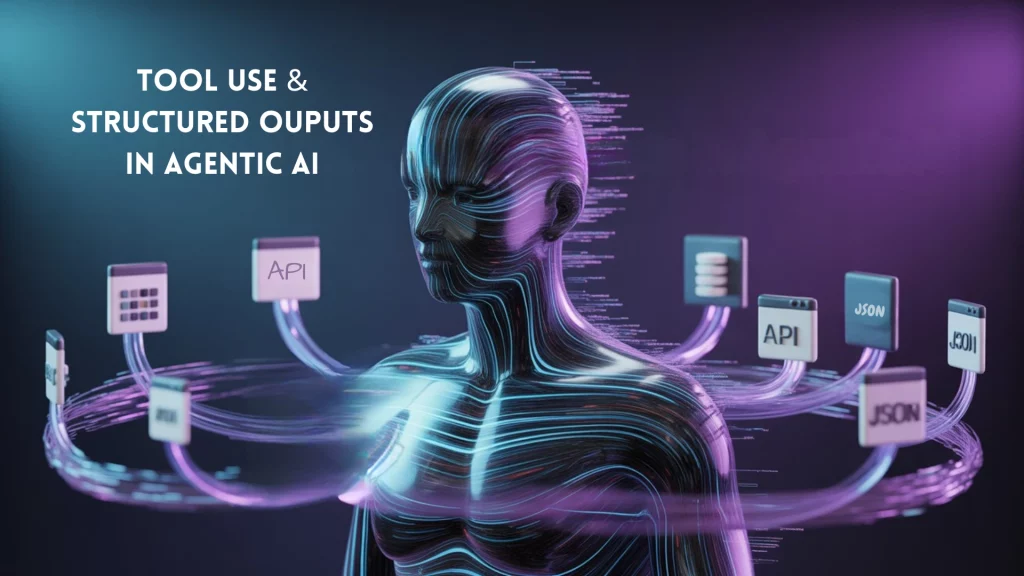
Tool use and structured output in Agentic AI enable reasoning-to-action workflows with reliable, schema-based execution, safety, and clear responses.
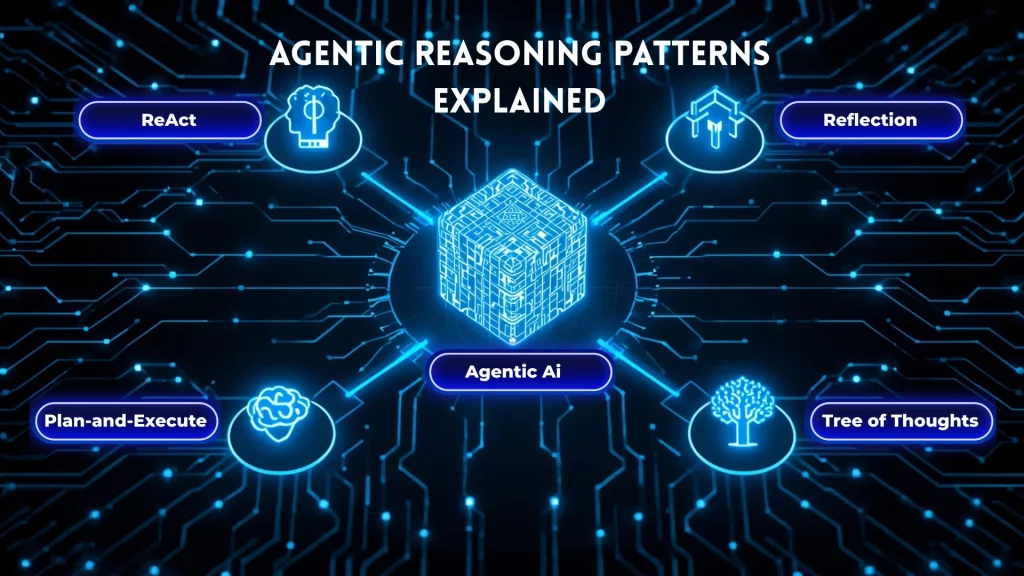
Discover how Agentic Reasoning Patterns like ReAct, Reflexion, and Tree of Thoughts shape intelligent decision-making in AI agents. Learn the core frameworks driving autonomy, planning,...
Discover how agent architecture and reasoning patterns like ReAct, Reflexion, and Plan-and-Execute shape the next generation of autonomous AI. Learn the cognitive frameworks behind Agentic...
Agentic AI represents the next evolution of artificial intelligence systems that can reason, act, and learn autonomously. This complete 2025 guide explores how Agentic AI...
Explore how Agentic AI reshapes software development: from code generation and test automation to ethical challenges like transparency, bias, and autonomy.